

BaoBaby Hong Kong
Launch date: 2020
Context: Living and juggling parenthood in Hong Kong proved to be challenging when it came to sourcing all the essential baby products in one convenient location. Chatting with friends I discovered I wasn’t alone in facing this dilemma. It was from this shared experience that the concept of establishing an online baby supermarket took shape. And so, fueled by this shared struggle and my entrepreneurial spirit, I embarked on my very first venture.
Role: As the founder of BaoBaby, the primary role involved conceptualizing, strategizing, and executing the project from inception to launch. This meant wearing multiple hats and encompassed market research, website development, product sourcing, customer acquisition, and operational management.
Goals:
- Create a one-stop online destination for every days baby products catering to the diverse needs of parents in Hong Kong.
- Offer a curated selection of products from local distributors, parallel importers, and international suppliers.
- Prioritize customer-centric features such as personalized shopping experiences, product bundles, and subscriptions.
Challenges: Importing a container from Europe demands an initial investment of EUR 10,000, while warehouse storage and handling fees hover around $400 per month. Additionally, procuring products from local distributors typically incurs costs of approximately $200 per brand or distributor. This necessitated a substantial upfront investment which I didn’t have.
Strategy and Solution: Launch a pilot to assess the concept viability by sourcing directly from supermarkets. The objective was to evaluate the concept’s feasibility before committing to significant investment.
Execution: As a budget-constrained entrepreneur, I needed to acquire a range of new skills to effectively execute this project. Adopting a mindset focused on creating a minimum viable product (MVP) and optimising as much as possible, I relied heavily on bootstrapping to expedite the project’s progress.
- I Conducted extensive market research, including surveys shared on Facebook, competitor analysis, and trend forecasting using Google Keywords, to identify market gaps and customer preferences.
- I developed a roadmap for category launches and the scope of MVP.
- I prepared an inventory list of all supermarkets within 20 min walk from me.
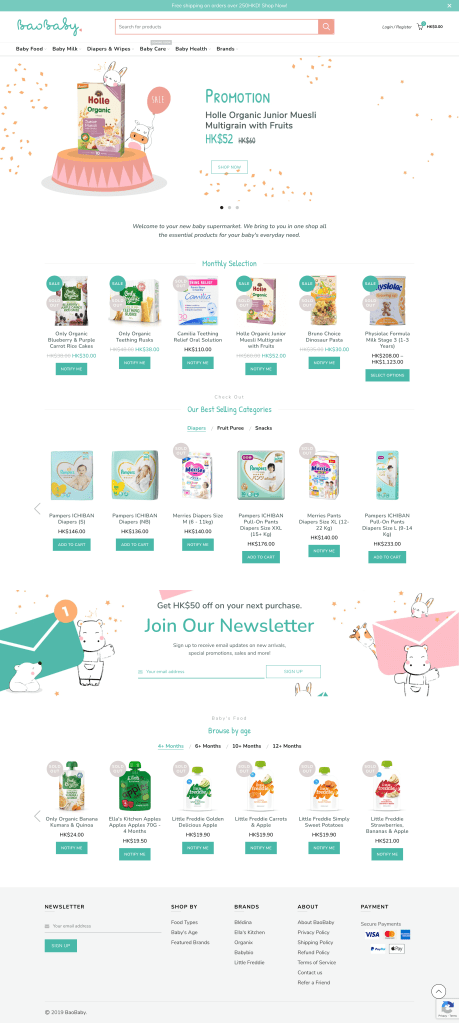
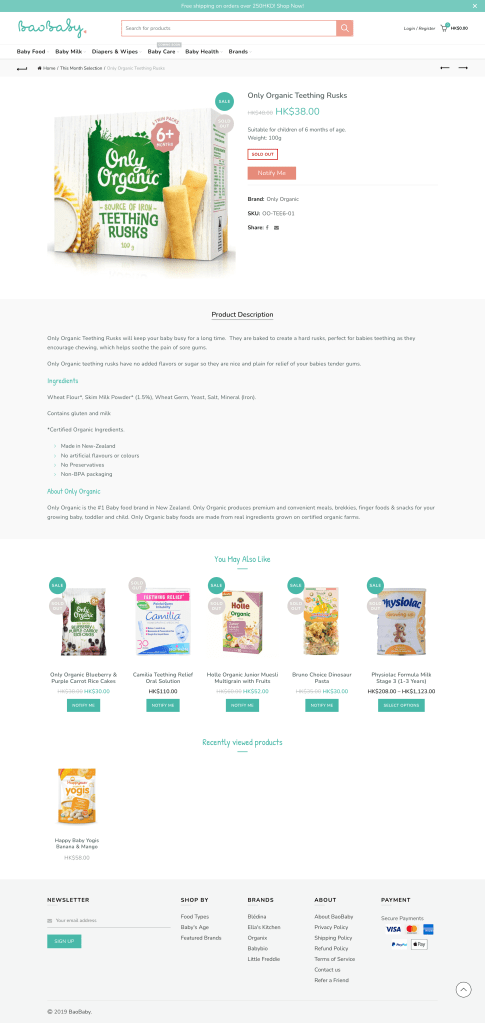
- Using Shopify themes I developed a user-friendly website that I personalised according to my brand identity.
- Throughout the project I hired 2 freelancers to help me. One to retouch all my product photos based on my images guidelines. The second the help me design banners that I could reuse for several marketing campaigns.
- I developed sophisticated product upload templates in Excel, leveraging advanced formulas to automate the online product uploading process and minimize the potential risk of human errors.
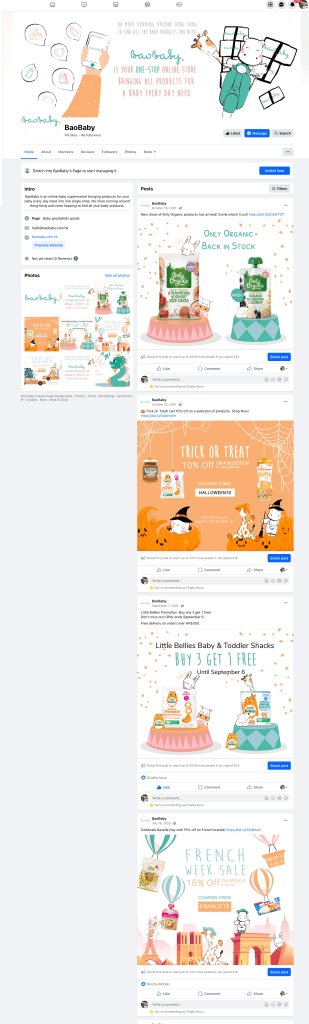
- I executed targeted digital marketing campaigns across Facebook, Google Search, Google Shopping and email marketing channels to drive traffic, engagement, and conversions.
- I sourced some of the rare products directly from distributors.
Outcome:
- I reached an average conversion rate of 1.34% within the first year
- I offered 300 products on the website
- I established a loyal customer base with returning customers accounting for 20% of sales
Lessons learned: Achieving a delicate balance between competitive pricing and sustainable profit margins demands meticulous product sourcing, strategic pricing tactics, and operational streamlining. Meeting customer expectations for competitive pricing and discounts while safeguarding sustainable profit margins posed considerable challenges. Furthermore, customer acquisition demands significant resources and investment.
Visuals:

If you’re interested in learning more about this project or exploring how similar strategies can be applied to your business, feel free to reach out. Let’s chat about the possibilities!
 Chadia Aoun - Building Customer-Centric Product Experiences